
Two Prompts to a Public Game
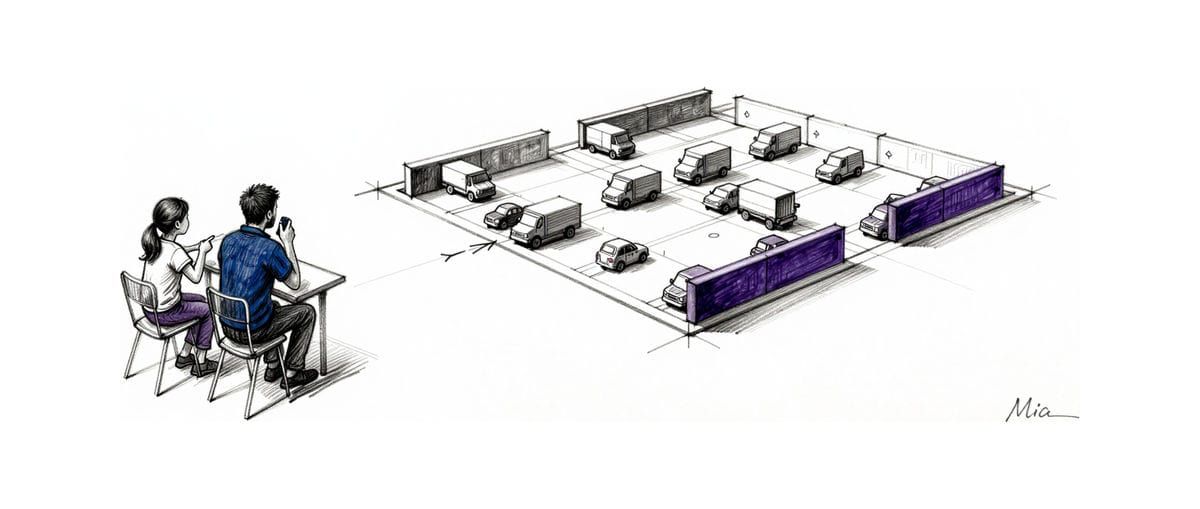
By Randy Armknecht
I'd seen people talking about Google's Antigravity, so my 10-year-old daughter and I gave it a try. Using voice to text, this was our first prompt:
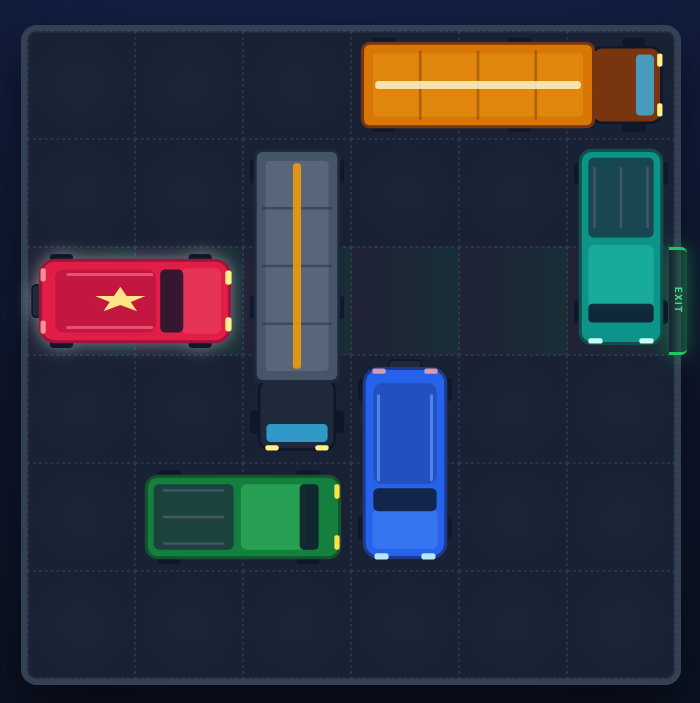
We would like to build a game that can be played on the web or mobile phones or tablets, and it's called Block Power. It essentially consists of a square or rectangle that has a single section to escape from, and on the inside are a whole bunch of blocks. Those blocks are placed in the center and kind of take up a bunch of space, but of course there is space to move them around. The puzzle aspect is how can you move them such that you can escape one block from the area. So one red jeep is the single block that needs to escape, and it's stuck inside that square by other jeeps and trucks. Maybe some of the trucks are regular commercial trucks and others are residential trucks.
It didn't take long, and the game was playable on my workstation with python3 -m http.server 8080. Getting it to a public URL took a second tool, and the second round of prompts carried more of my judgment than the first.
Antigravity Wrote the Draft
The output was a real game: about 3,200 lines of plain HTML, CSS, and JavaScript, 12 levels in 4 tiers, a breadth-first solver behind a Hint button, and a test script confirming every level could be solved. No build step. No dependencies.
I write blog posts the same way. The first pass gets everything onto the page, fast and loose. The second pass reads it like a reviewer who mildly distrusts the author. A draft that runs is still a draft, and nobody had yet checked this one for bugs, for my personal details, or for whether it belonged in public.
Claude Code Ran the Edit Pass
For the second pass I opened Claude Code, which I've used since its first release and which already holds my GitHub credentials. I started with "check out the new project BlockPower." Before changing a line, it ran the tests, scrambled 40 mid-game positions on each level to confirm the Hint button could always find a way out, and came back with findings. The How to Play screen said each color meant a vehicle type, while the levels assigned colors at random. Keyboard players couldn't select a vehicle without a mouse, and Escape didn't close dialogs. The page also blocked pinch-zoom.
2 of those were rulings for me to make. Random colors were the design, so the guide was the thing to fix. Pinch-zoom could stay blocked. Then the actual instruction:
fix the color guide. the colors are supposed to be random other than the red jeep. fix the keyboard gaps. I'm not concerned about pinch-zoom; so leave that alone. rename level 10. let's add 8 more levels to get to 20. once those are done confirm there's no personal data in the app. then initialize a public github repo for the game and commit/push.
18 minutes after my first prompt, it was pushed. It fixed the keyboard controls and tested them by driving a headless Firefox, generated 8 new levels with the solver confirming each par was the true minimum, and scanned every file for personal data. The scan came back clean. It also noticed my other projects commit under my personal Gmail address and switched this repo to GitHub's noreply address, a bit of tidying I hadn't asked for. Later, when I asked for a screenshot in the README, it checked the image's embedded metadata (screen coordinates from the capture tool, nothing personal) and stripped it anyway.
It's live. Play it here, or read the source, released CC0.
The Hands-On Effort Was Small. It Was Also the Part That Mattered.
My hands-on time was a handful of prompts and a few minutes of reading findings. I'm still amazed at that. What those minutes went to is the interesting part. Neither tool decided the vehicle colors should be random; that was a ruling on intent. Neither tool ran a privacy check until a prompt asked for one before anything went public. Static scans, privacy, and security are where every project of mine starts, whether it's a client-facing web API or a sliding-block puzzle with no server. The tools did the typing, the testing, and the publishing. The checklist was mine.
🤖 AIL LEVELS: This content's AI Influence Levels are AIL3 for the writing, and AIL4 for the images. AI Influence Level (AIL) framework