The Personal App: How AI is Ushering in the Era of Truly Personalized Computing
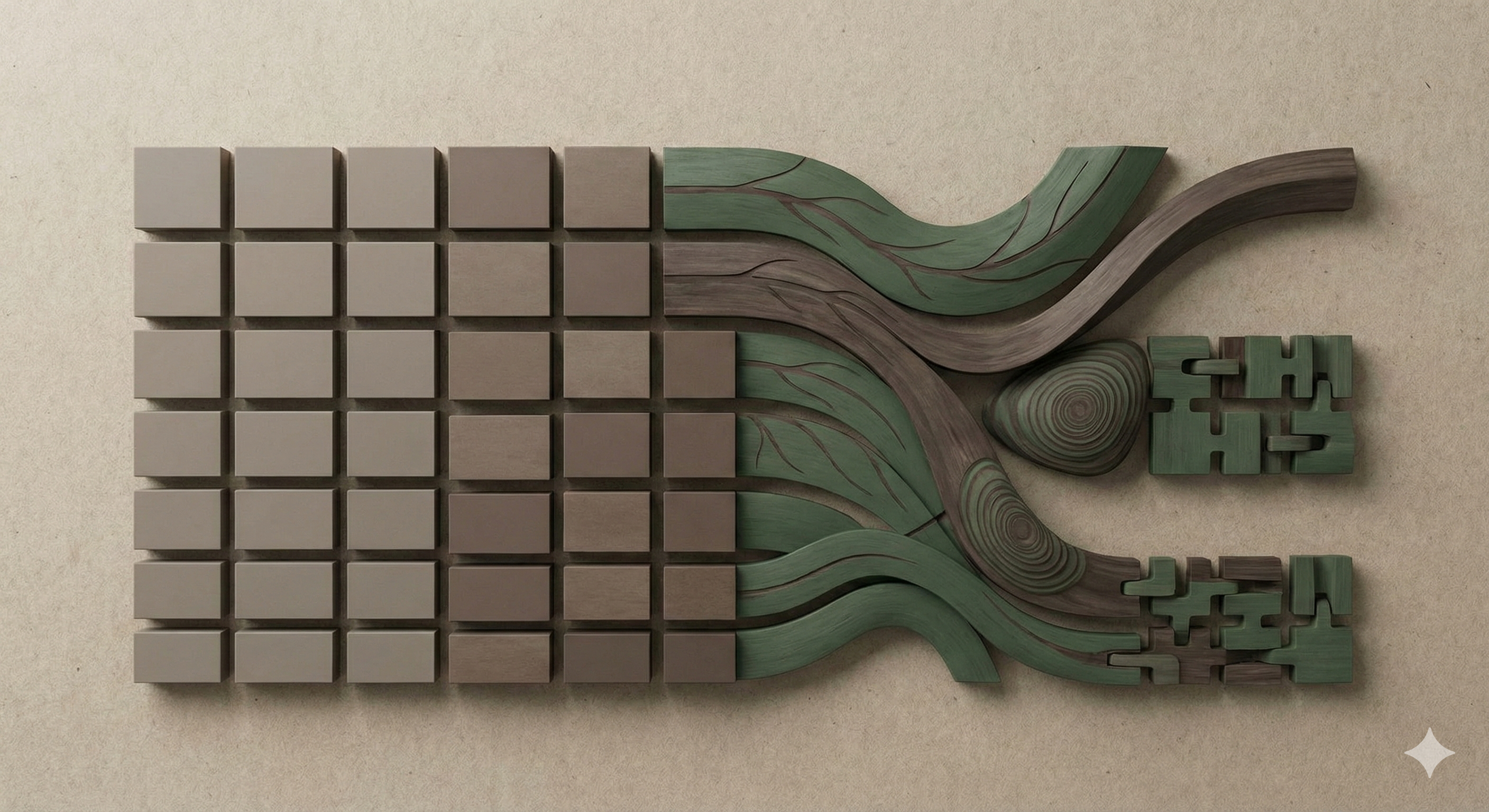
We stand at the threshold of a computing revolution that could fundamentally reshape how we interact with technology. Just as we evolved from shared mainframes to personal computers to pocket-sized smartphones, we’re now approaching something even more transformative: the age of the Personal App.
The Pattern of Personalization
The trajectory is unmistakable. In entertainment, we’ve moved from appointment television—where networks dictated what we watched and when—to DVRs, and finally to streaming platforms that deliver infinite choice on our terms. In computing, we’ve progressed from time-shared mainframes to personal computers to devices that never leave our side.
Each evolution follows the same principle: technology becomes more valuable as it becomes more personal.
The AI Catalyst
Recent breakthroughs from Anthropic, Google, and other AI leaders have accelerated this trend beyond what seemed possible just months ago. Today’s coding AI assistants aren’t just sophisticated autocomplete tools, they’re becoming genuine digital collaborators. I refer to mine as “my buddy.”
These systems can now:
- Take a problem statement and rough UX outline
- Research optimal approaches and technology stacks
- Design system architecture
- Implement working code
- Test and refine through automated quality checks
- Debug and iterate without human intervention
The “copy-paste-fix-error” cycle that defined early AI coding assistance has been replaced by autonomous problem-solving loops that rival human developers in many scenarios.
Beyond Apps: The Personal Computing Interface
This capability points toward a future where we won’t juggle separate apps for Gmail, WhatsApp, Instagram, Google Calendar, and messaging platforms. Instead, we’ll interact through personalized interfaces that our AI assistants create specifically for us, merging communication, planning, and productivity into experiences tailored to our unique workflows and preferences.
But will these even be “apps” as we understand them today? More likely, they’ll be highly customized interfaces built on top of platforms like Gemini or Claude, making tool calls through protocols like MCP (Model Context Protocol) to agents that understand and integrate with existing platforms.
The backend infrastructure—Gmail’s servers, Instagram’s social graph, calendar synchronization will remain largely unchanged. What transforms is the frontend: how we access, combine, and interact with these services.
The New Limitation: Human Creativity
In a world where AI can build the technology, the primary constraint shifts from technical capability to human imagination and communication skills. Success will depend on our ability to:
- Articulate our needs and desired outcomes clearly
- Envision workflows that don’t exist today
- Think creatively about how different services and data sources could integrate
- Communicate process requirements effectively to AI assistants
Practical Implications for Today
Start experimenting now: Begin using AI coding assistants for small automation projects to understand their capabilities and limitations.
Document your workflows: Map out how you currently interact with different platforms and identify friction points ripe for integration.
Think in terms of outcomes, not tools: Instead of asking “How do I use this app better?” ask “What outcome do I want, and what would the ideal interface look like?”
Develop your communication skills: Practice describing processes, requirements, and desired user experiences clearly and comprehensively.
The Path Forward
The Personal App represents more than technological advancement—it’s the democratization of custom software development, putting personalized computing power within reach of anyone who can imagine and articulate what they need.
In this new paradigm, the limitation won’t be technical capability; it will be our imagination and ability to envision better ways of interacting with the digital world around us.
The age of one-size-fits-all software may be drawing to a close. The age of software that fits like a glove is just beginning.
🤖 AIL LEVELS: This content’s AI Influence Levels are AIL2 for the writing, and AIL4 for the images (via Google Gemini). AI Influence Level (AIL) framework